In this article
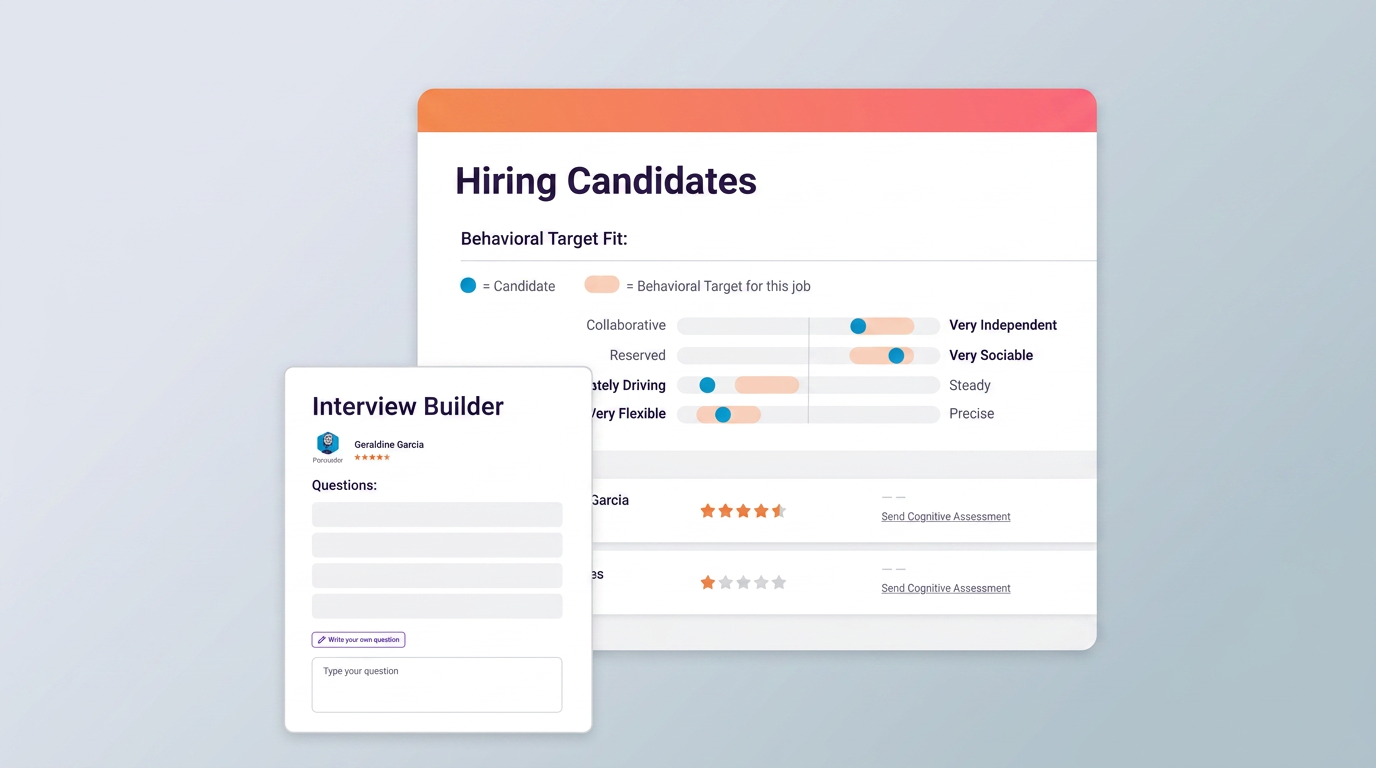
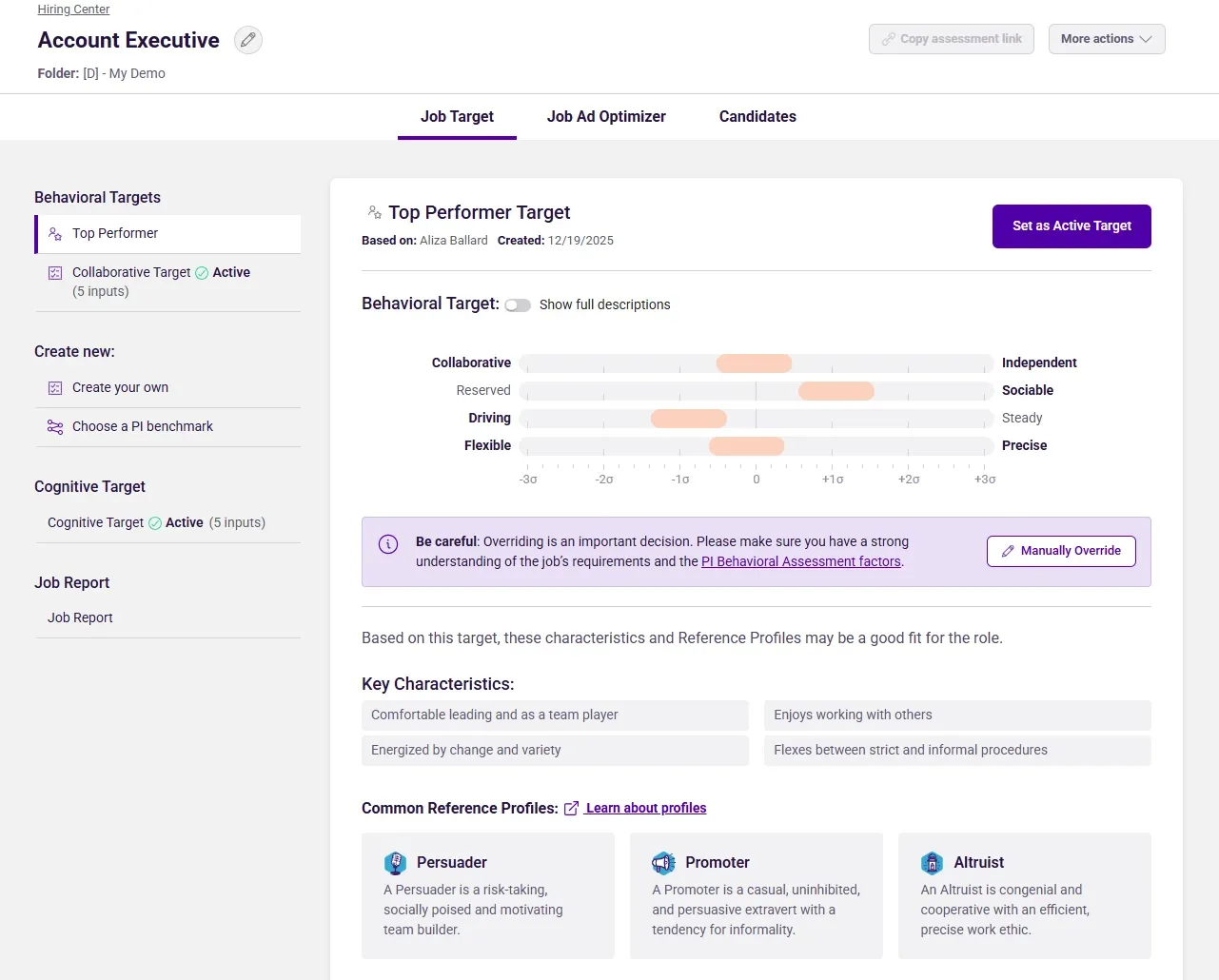
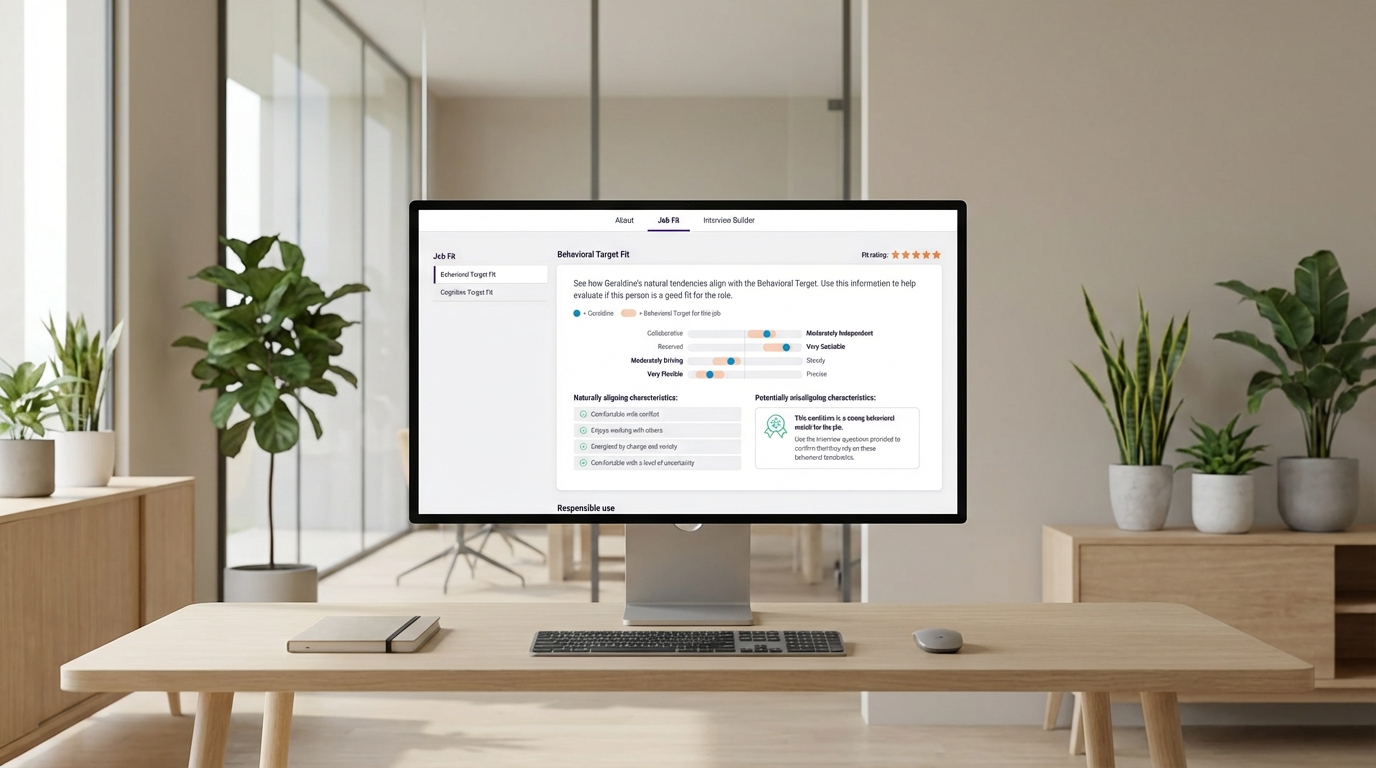
Before we continue with how to weave PI Hire into the full workflow, let's zoom out and address why all of this effort is worth it. What's the ROI of data-driven hiring? Why not just stick to the traditional way? Understanding this will reinforce the value of tools like PI Hire. into the full workflow, let's zoom out and address why all of this effort is worth it. What's the ROI of data-driven hiring? Why not just stick to the traditional way? Understanding this will reinforce the value of tools like PI Hire.
In Brief
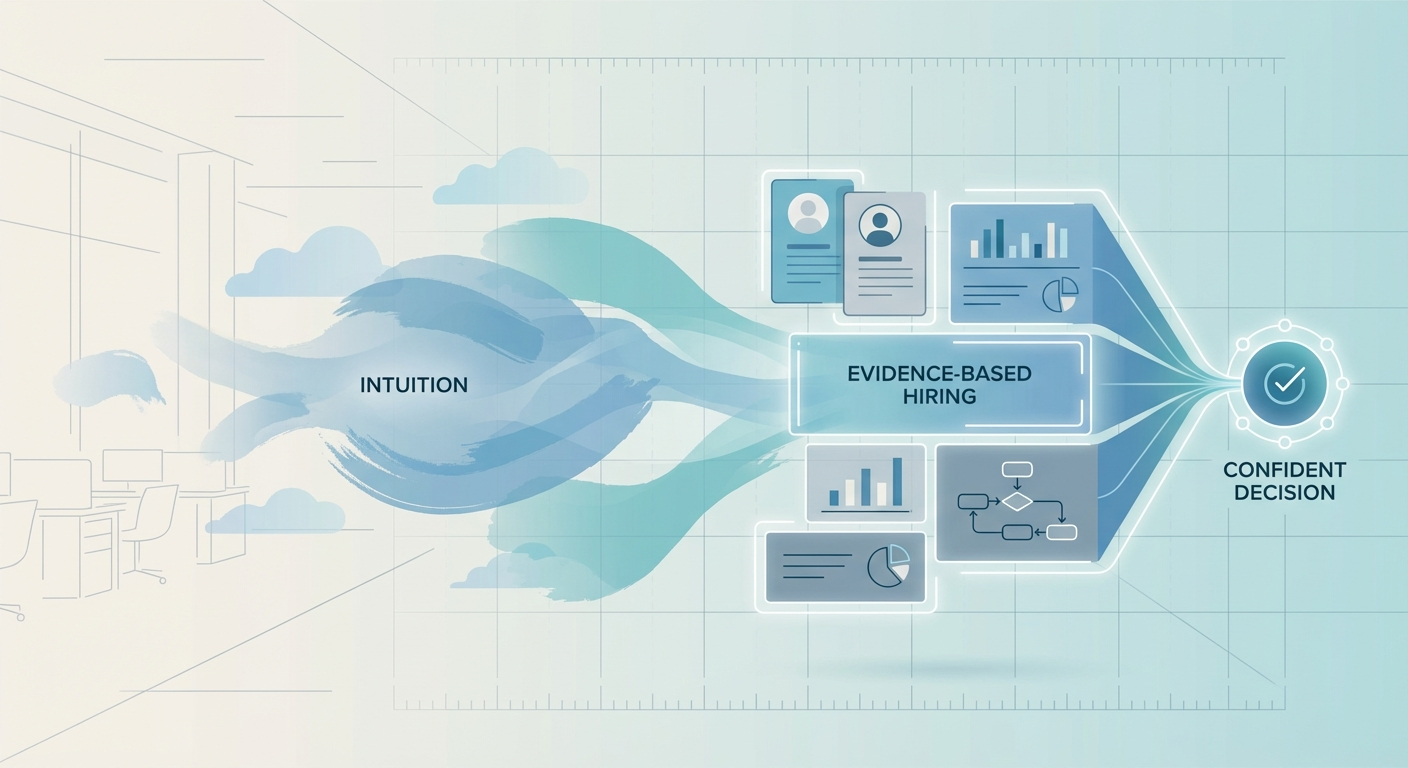
Data-driven hiring replaces gut instinct with structured assessments and evidence, significantly reducing costly bad hires while improving quality and retention. Organizations using this approach report higher profit margins, faster time-to-fill, and more equitable processes that reduce bias and promote diversity. The result is confident decision-making backed by objective data rather than subjective impressions.
Key Takeaways
- Bad hires cost 30% to 3x a position's salary—structured methods dramatically reduce this risk
- Quality of hire improves through evaluation of job-relevant traits like cognitive ability and behavioral fit
- Consistent, objective criteria reduce bias and improve diversity outcomes
- Faster hiring cycles through technology-enabled screening reduce vacancy costs
- Data-backed decisions give hiring managers confidence and position HR as strategic partners
Reducing Bad Hires
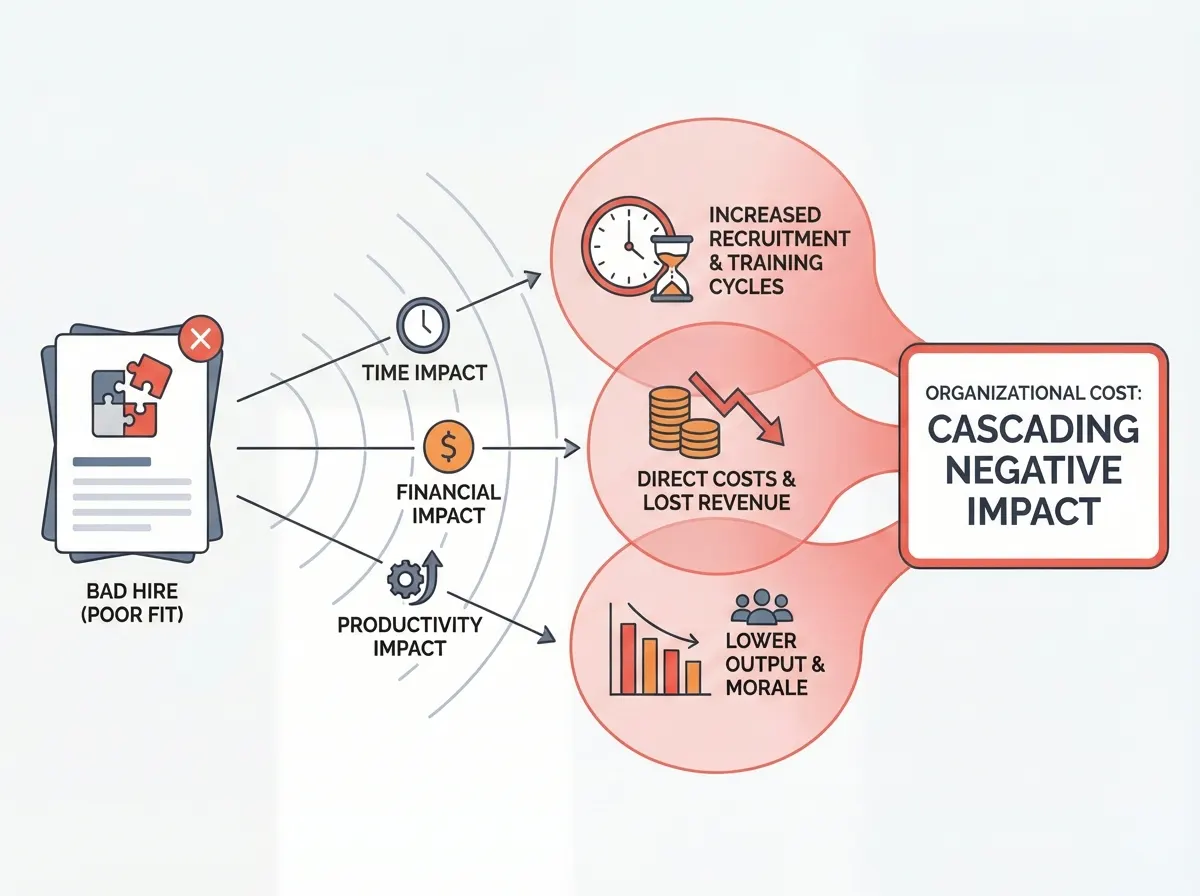
First and foremost, data-driven hiring reduces the likelihood of making a poor hiring decision. A "bad hire" can cost anywhere from 30% of that position's salary to up to 2-3x the salary for higher-level roles, when you factor in recruitment costs, training time, lost productivity, and the impact on team morale.
By using assessments and structured interviews, you get a much clearer picture of each candidate. This means you're far more likely to choose someone who meets the role requirements and integrates well with the team, thus avoiding those painful mis-hires.
In fact, companies using a data-driven approach often report higher 12-month retention rates for new hires, because they've done the upfront work to ensure fit. One study in the LinkedIn Global Recruiting Trends (2018) found that 50% of companies say quality of hire is the single most valuable KPI to evaluate their recruitment team – and data-driven methods are directly aimed at improving that.
Improving Quality of Hire
"Quality of hire" is a metric that captures how well new employees perform and contribute. If you consistently hire people who are better suited for their jobs, you'll see improvements in performance evaluations, faster ramp-up times, and more promotions from within.
Think of it like this: a world-class hiring process is a talent pipeline that brings in better people on average. Over time, that boosts everything – team productivity, innovation, even revenue and customer satisfaction. Data-driven hiring drives quality by ensuring you're evaluating the factors that really matter for success (like cognitive ability for problem-solving roles, or behavioral traits for culture fit).
Consider this: One analysis showed that companies with highly data-driven recruiting had significantly higher profit margins and productivity. Why? Because the people they hired were more effective. It's akin to Moneyball in baseball – by analysing the right stats, the Oakland A's fielded a competitive team at low cost. In business, by focusing on the right candidate data (and not being swayed by irrelevant "gut" factors), you assemble stronger teams. And stronger teams deliver better results.
It's not just theory: a study cited by Harvard Business School Online noted that highly data-driven organizations are three times more likely to report improvements in decision-making compared to those who rely less on data. Hiring decisions are a huge part of business decision-making, so that insight applies here as well.
Stats & Claims
- 30%–3×Cost of a bad hire relative to the position's salary (higher for senior roles)
- 50%of companies say quality of hire is the most valuable KPI (LinkedIn Global Recruiting Trends, 2018)
- 3×more likely to report improved decision-making for highly data-driven organizations (Harvard Business School Online)
Consistency and Fairness (Diversity & Inclusion)
When you rely on structured, data-backed methods, you inherently treat candidates more equitably. Each person has the same opportunity to showcase their qualifications. This helps reduce biases that can unintentionally seep into traditional hiring – such as affinity bias ("I just clicked with that candidate more, not sure why"), halo effect ("she worked at a big-name company, so she must be great at everything"), or others.
By contrast, data doesn't care about charisma or connections; it measures job-related traits. This can improve diversity in hiring. For example, some organizations found that by using assessments early, they gave a chance to non-traditional candidates to shine – candidates who might not have had Ivy League credentials or a referral but who had the right attributes scored well and got hired.
Over time, this builds a more diverse workforce on dimensions that matter (skills, perspectives) while ensuring everyone meets the merit criteria of the job. From a compliance perspective, as mentioned, structured and consistent processes are your best friend. If ever someone asks "why didn't you hire me?", you can point to objective criteria and comparisons.
Efficiency – Saving Time and Money
Data-driven hiring often leverages technology (like PI Hire) to automate and streamline steps. This means faster hiring cycles. For instance, with PI Hire, you can filter out obvious non-fits in days (or hours) rather than weeks of sequential interviews. Time-to-fill goes down.
Recruiters and managers spend time only on the most promising candidates, which is a better use of everyone's time. There's also a cost savings element: every day a position is vacant costs the company (in lost productivity or revenue). By filling roles faster with the right people, you reduce those vacancy costs.
Additionally, fewer bad hires mean fewer do-overs in recruiting, which is a huge money saver. There's an upfront investment in assessments and potentially training, but the payoff is tangible.
Better Candidate Experience
It might seem counterintuitive that making candidates take tests and structured interviews is a "better" experience, but consider the alternative: a drawn-out process with multiple interviews asking the same generic questions, or worse, no communication on where they stand.
Data-driven processes, when well-run, can actually create a more engaging candidate journey. Candidates appreciate a hiring process that feels rigorous yet fair. Many test-takers find the PI Behavioral Assessment interesting – it gives them insight into themselves (some employers even share the results with candidates as a sweetener).
Structured interviews often delve into meaningful discussions about the candidate's experience, which they appreciate more than off-the-cuff small talk. And when candidates are matched to roles that suit them, they tend to be happier employees, which starts with a positive impression during hiring.
Confidence in Decision Making
Finally, consider the peace of mind and confidence factor. Hiring managers using PI Hire often report feeling much more confident in their final choice. Instead of second-guessing ("I hope Jane works out, we think she will…"), they can say, "Jane is a great fit behaviorally, aced the cognitive benchmark, and demonstrated in interviews exactly the competencies we needed – we're excited and fairly certain she'll excel."
This confidence is priceless. It also positions HR as a strategic function – you can go to the CEO or department head and back up your hire recommendations with data and rationale, which builds trust in HR's value.
Summary
In summary, data-driven hiring matters because it directly addresses the weaknesses of old-school hiring. It replaces myths and biases with evidence and structured methods. Companies that adopt it see higher-quality hires, improved retention, more diverse and equitable workplaces, and a faster, smarter hiring process overall. With that understanding, let's continue our deep dive into how to implement this approach using In summary, data-driven hiring matters because it directly addresses the weaknesses of old-school hiring. It replaces myths and biases with evidence and structured methods. Companies that adopt it see higher-quality hires, improved retention, more diverse and equitable workplaces, and a faster, smarter hiring process overall. With that understanding, let's continue our deep dive into how to implement this approach using PI Hire as the enabling tool. as the enabling tool.
Written by

Founder & Principal Consultant
MSc in I/O Psychology, 13+ years in leadership roles with A.P. Moller Group, now advising global organizations on talent strategy.
Progressica is a global talent assessment provider delivering scientifically validated talent assessments and hiring assessments to organizations worldwide. As the licensed partner of The Predictive Index®, a global leader in talent optimization, Progressica enables businesses to make data-driven hiring decisions, improve workforce performance, and align people strategy with business goals. We provide talent assessment solutions to clients across Malta, Italy, the Netherlands, Germany, Belgium, Latvia, Lithuania, Estonia, Saudi Arabia, the UAE, Singapore, Indonesia, Malaysia, Pakistan, and other international markets, supporting effective recruitment, leadership development, and long-term talent optimization.